
Replacing or upgrading the floors in your home is one of the most rewarding improvements you can make. New floors elevate your living space, enhance indoor comfort, and add significant long-term value to your property. However, once the initial excitement of a fresh installation settles, a crucial question arises: How do you protect that investment so it stays looking brand-new for decades?
As professional flooring contractors who have spent over two decades working inside homes across Apex, Wake Forest, Holly Springs, and Morrisville, we know that durability isn’t just about the material you buy—it’s about how you care for it from day one.
Here is a practical, professional guide to preserving your floors, avoiding common maintenance traps, and maximizing your home’s equity.
1. It Starts with Professional Installation and Foundation Prep
The long-term survival of any floor is dictated before you ever sweep it for the first time. Even the highest-grade material will fail prematurely if laid over a damp, uneven base or installed without proper thermal acclimation.
A flawless flooring installation guarantees that expansion gaps are respected, locking systems aren’t under stress, and subfloor moisture levels are within safety limits. Before installing new planks, resolving underlying issues through targeted Subfloor Repair prevents future board separation, squeaks, and structural failure.
2. Material-Specific Care: Tailoring Your Maintenance Routine
Every flooring surface reacts differently to daily household routine, moisture, and wear. Tailoring your cleaning habits to your specific surface is key to preventing accidental damage:
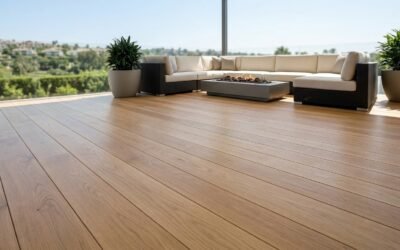
- Solid & Engineered Hardwood: Water and harsh chemicals are wood’s greatest enemies. Never use a soaking wet mop or steam cleaner on hardwood, as moisture can seep between boards, causing cupping and warping. Dust mop or vacuum regularly using a soft brush attachment. If your natural wood floors lose their luster over time, a dust-controlled Hardwood Restoration can revive their surface without requiring a costly full replacement.
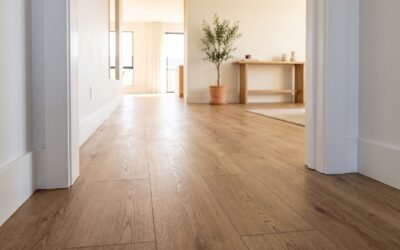
- Luxury Vinyl Plank (LVP): While premium Luxury Vinyl Plank (LVP) is 100% waterproof and highly scratch-resistant, it isn’t indestructible. Avoid using steam mops on vinyl planks, as extreme heat can compromise the adhesive backing and wear layer over time. Sweep up grit and dirt frequently—microscopic sand and gravel tracked from outside act like sandpaper under foot traffic.
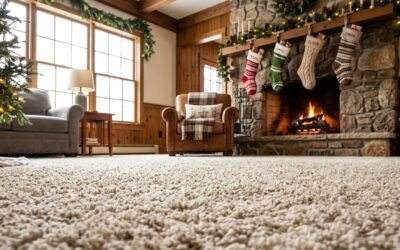
- Plush & Low-Pile Carpet: For homes with carpet, regular vacuuming is non-negotiable. Dirt and grit settle deep into the pile, cutting carpet fibers over time. Place high-quality entry mats at exterior doorways, treat spills immediately with non-bleach spot cleaners, and schedule professional deep cleans every 12 to 18 months to keep fibers resilient.
3. Preventative Protections Against Daily Wear and Pets
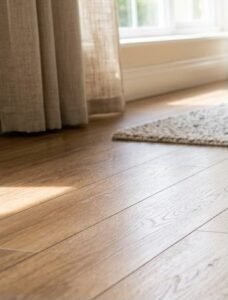
Preventing damage is far easier and cheaper than repairing it. Simple daily habits can extend your floor’s lifespan dramatically:
- Furniture Felt Pads: Attach heavy-duty felt pads to the feet of all chairs, sofas, and tables. Replace them yearly, as dirt particles can embed in the felt over time.
- Pet Management: Keep your pets’ nails neatly trimmed to eliminate micro-scratches on wood and vinyl finishes. Place absorbent water-catcher mats beneath pet bowls to trap splashes before liquid sits on floor seams.
- Zone-Based Protection: Use breathable runner rugs in high-traffic hallways and near kitchen sinks. Ensure rug backings are safe for your specific floor type (avoid non-breathable rubber backings on hardwood, as they trap moisture).
4. Common Costly Mistakes to Avoid
Through our years of hands-on consultations, we frequently see well-meaning homeowners accidentally damage their floors using popular internet “cleaning hacks.” Avoid these common pitfalls:
- Using Steam Mops on Wood or Vinyl: The forced high heat drives moisture into joints and weakens structural bonds.
- Over-Using Wax or Vinegar Solutions: Vinegar is acidic and can strip the protective topcoats off hardwood, while wax polishes create a sticky buildup that attracts dirt.
- Ignoring HVAC Moisture Control: North Carolina’s summer humidity can cause natural floors to swell, while dry winter heating causes contraction. Keep indoor humidity between 35% and 55% year-round.
Protect Your Home with Expert Guidance
Selecting the right flooring material for your family’s exact routine—and ensuring it is backed by precision installation—is the single best way to avoid premature replacement costs. Whether you are updating a family home in Fuquay-Varina or preserving an eco-conscious property in Carrboro, proper care keeps your investment secure.
At Ortiz Flooring Inc., we guide you through every step of material selection, subfloor preparation, and post-installation care under The Peace of Mind Process. We treat your property with absolute respect, leaving you with a durable, beautiful foundation built to last for generations.
- Location: Wortham St, Durham, NC — visits by appointment only.
Ready to Protect and Elevate Your Home?
Whether you need advice on maintaining your current surfaces or are ready to plan your next flooring renovation, our expert team is here to bring samples and honest advice directly to your door.
Let’s build a foundation you’ll love for decades.
Click Here to Request Your Free Consultation and Estimate Today